Your sewer line is one of the most important parts of your plumbing system. It carries waste away from your home and keeps your plumbing flowing smoothly. But, like any part of your home, sewer lines can develop problems over time. Knowing the signs of a damaged sewer line can save you from costly repairs and prevent serious issues like sewage backups. In this blog, we’ll discuss the common signs that your sewer line needs repair, and why it’s important to act quickly.
What Is a Sewer Line?
Before we dive into the signs of trouble, let’s start with the basics. A sewer line is a pipe that carries wastewater from your home to the main sewer system or a septic tank. It connects all the drains in your home, including sinks, toilets, and showers, to a larger sewer network.
Common Signs Your Sewer Line Needs Repair
- Slow Drains Throughout the House
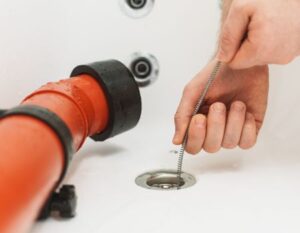
If you notice that water is draining slowly in multiple sinks, tubs, or toilets, it could be a sign of a sewer line problem. While a single slow drain might be due to a clog, slow drainage throughout your home is often a red flag for a blockage in your main sewer line.
Example: If water in your bathtub takes a long time to drain, and you notice the same in other sinks, it’s time to check for sewer line issues. - Gurgling Sounds in Your Pipes
Hearing strange gurgling or bubbling sounds when using your plumbing is a strong indicator that something is wrong with your sewer line. These sounds usually mean that air is trapped in the pipes due to a blockage or damage in the sewer line.
Example: Flushing the toilet and hearing a gurgling sound in your shower drain is a sign that air is being forced through blocked pipes. - Foul Smells Around Your Home
If you smell sewage inside or around your home, it’s a major warning sign that your sewer line is damaged. Healthy sewer lines are sealed to prevent odors from escaping, so any foul smells could mean there’s a crack or leak.
Example: If your bathroom smells like sewage even after cleaning, it could be a sign that wastewater is leaking from your sewer line. - Sewage Backups
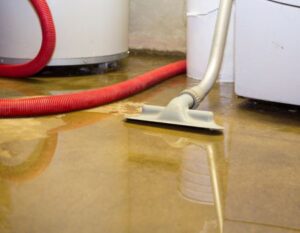
Sewage backups are one of the most serious and unpleasant signs of a sewer line issue. If sewage starts coming back up through your drains or toilets, it’s likely that the sewer line is clogged or damaged, and waste has nowhere to go.
Example: If you flush the toilet and see sewage backing up into your bathtub, it’s time to call a professional plumber immediately. - Lush Patches in Your Lawn
While it may sound strange, unusually green and lush patches of grass in your yard can indicate a sewer line leak. When a sewer line leaks, the waste acts as a fertilizer for your lawn, causing certain areas to grow more quickly than others.
Example: If you notice one part of your lawn is greener and healthier-looking than the rest, there might be a sewer line break beneath the surface. - Soggy or Sunken Areas in Your Yard
A sewer line leak can cause the ground around it to become soggy or even sink over time. If you notice wet spots or depressions in your yard, especially when there hasn’t been any rain, it’s a good idea to have your sewer line inspected.
Example: A soft or sunken spot in your yard that you can’t explain might be caused by a leaking sewer line beneath the soil. - Mold Growth or Water Damage Inside Your Home
Cracks in your sewer line can lead to water seeping into your home’s foundation or walls. Over time, this moisture can cause mold to grow, which is not only unsightly but can also pose serious health risks.
Example: If you notice mold growing on your walls or ceilings, especially in areas that don’t usually get wet, it could be due to a sewer line leak.
Why You Shouldn’t Ignore Sewer Line ProblemsIgnoring sewer line issues can lead to expensive and dangerous consequences. Here are some reasons why you should address these problems right away:
- Prevent Health Hazards
Sewer line problems can expose you and your family to harmful bacteria and pathogens. Sewage backups and leaks create unsanitary conditions that can lead to serious health risks, including infections and respiratory issues. - Avoid Costly Repairs
The longer you wait to fix a sewer line issue, the worse the damage can become. A small crack in your sewer line can eventually lead to a complete collapse, requiring expensive repairs or even a full sewer line replacement. - Protect Your Home’s Value
Sewer line problems can cause water damage, mold growth, and foundation issues, all of which can lower your home’s value. Addressing these issues early helps maintain the integrity of your home and preserves its value over time.
Causes of Sewer Line Damage
Several factors can contribute to sewer line damage. Understanding the causes can help you prevent problems and extend the life of your sewer line.
- Tree Root Intrusion
Tree roots are one of the most common causes of sewer line damage. As trees grow, their roots can infiltrate and damage underground pipes in search of water. - Aging Pipes
Older homes often have sewer lines made of materials like clay or cast iron, which can degrade over time. These materials are prone to corrosion, cracks, and leaks. - Shifting Soil
Soil movement due to natural settling or construction work can put pressure on your sewer line, causing cracks or breaks. - Grease Buildup
Pouring grease down your drains can cause buildup inside your sewer line, leading to clogs and blockages over time.
How to Address Sewer Line Issues
- Schedule a Professional Inspection
If you notice any of the signs mentioned, it’s essential to call a professional plumber to inspect your sewer line. They can use specialized cameras to locate the problem and determine the best course of action. - Repair Options
Depending on the severity of the issue, there are several ways to repair a damaged sewer line:
Pipe Relining: A flexible tube is inserted into the damaged pipe and hardened, creating a new pipe inside the old one.
Pipe Bursting: The old pipe is broken apart, and a new one is pulled through the same space.
Traditional Excavation: For severe damage, the old pipe may need to be dug up and replaced.
Conclusion: Don’t Ignore the Warning Signs
Your sewer line is an essential part of your home’s plumbing system. Ignoring the signs of sewer line problems can lead to costly repairs and even health hazards. If you notice slow drains, gurgling sounds, foul smells, or unusual patches in your yard, don’t wait—call a professional plumber to inspect your sewer line and prevent further damage.