Water is one of our most precious resources, yet it is often taken for granted. With increasing population and climate change, conserving water has become more crucial than ever. One effective way to save water is by using water-saving faucets and fixtures in your home. In this blog, we will explore the importance of these fixtures, how they can benefit your household, and tips for choosing the right ones.
What Are Water-Saving Faucets and Fixtures?
Water-saving faucets and fixtures are designed to use less water while maintaining the same level of performance. These include:
. Faucets: Kitchen and bathroom faucets that limit water flow.
. Showerheads: Shower fixtures designed to use less water per minute.
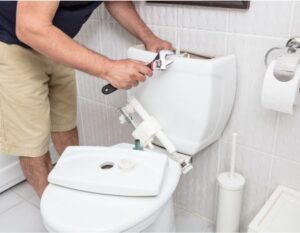
. Toilets: Low-flow toilets that use less water per flush.
. Aerators: Devices that reduce water flow while maintaining pressure.
By incorporating these fixtures into your home, you can significantly reduce your water usage without sacrificing comfort or convenience.
Why Choose Water-Saving Faucets and Fixtures?
- Conserving Water Resources
Water scarcity is a growing concern in many regions. By installing water-saving faucets and fixtures, you help conserve valuable water resources. This is particularly important in areas facing drought or limited water supply.
Example: A water-saving showerhead can reduce water usage from 2.5 gallons per minute (GPM) to as low as 1.5 GPM, saving thousands of gallons of water annually. - Lower Water Bills
Using less water directly translates to lower water bills. Water-saving fixtures help you save money while being eco-friendly.
Example: If a family of four switches to low-flow faucets and showerheads, they could save approximately $150 to $200 a year on water bills. - Reducing Energy Consumption
Less hot water usage means lower energy costs. Heating water accounts for a significant portion of energy bills. By using water-saving fixtures, you decrease both your water and energy consumption.
Example: A low-flow showerhead can reduce the energy needed to heat water, saving you money on energy bills as well. - Improving Home Value
Eco-friendly features, including water-saving fixtures, can make your home more attractive to potential buyers. Many buyers prioritize energy efficiency and sustainability.
Example: Homes with water-saving features can appeal to environmentally conscious buyers, increasing the property’s marketability.
How to Choose the Right Water-Saving Fixtures
- Look for WaterSense Labels
When shopping for faucets and fixtures, look for the WaterSense label. This label, awarded by the Environmental Protection Agency (EPA), indicates that the product meets specific water efficiency and performance criteria. - Consider Flow Rates
Check the flow rates of faucets and showerheads. Aim for fixtures that use 1.5 GPM or less for faucets and 2.0 GPM or less for showerheads. For toilets, look for models that use 1.28 gallons per flush (GPF) or less. - Choose Quality Brands
Opt for reputable brands known for producing durable and efficient water-saving fixtures. Research customer reviews and ratings to find reliable products. - Consult a Plumber
If you’re unsure about which fixtures to choose or how to install them, consulting a professional plumber can help you make the best decisions for your home.
Maintenance Tips for Water-Saving Fixtures
- Regular Cleaning
Keep faucets and showerheads clean to prevent mineral buildup that can reduce their efficiency. Use vinegar or a gentle cleaning solution to remove deposits. - Check for Leaks
Regularly inspect your faucets and fixtures for leaks. A small leak can waste a significant amount of water over time. Fixing leaks promptly can save water and reduce your bills. - Adjust Flow Rate if Necessary
If you find that your water-saving fixtures aren’t providing enough water flow, consider adjusting the aerator or flow restrictor. However, make sure to maintain water-saving efficiency.
Conclusion: Make the Switch Today
Switching to water-saving faucets and fixtures is a simple yet effective way to conserve water, reduce bills, and contribute to a sustainable future. With so many options available, you can easily find fixtures that suit your home and lifestyle. Start making a difference today by choosing water-saving solutions that benefit both your household and the environment.